What Is Windows Subsystem for Android (WSA)?
The Short Answer
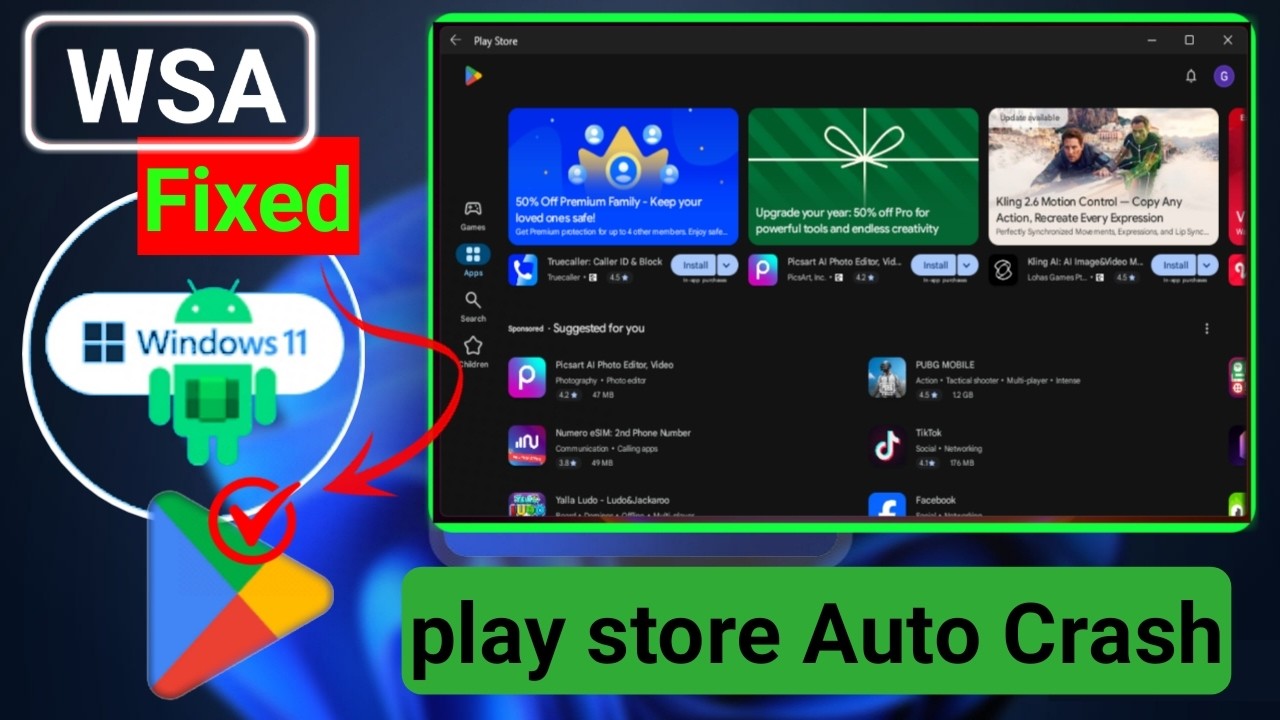
Windows Subsystem for Android (WSA) is a compatibility layer from Microsoft that lets you run Android apps on Windows 11. It bundles a real Android Open Source Project (AOSP) environment, an Intel/ARM translation layer, and deep Windows integration so Android apps appear as native Windows windows in the Start Menu and taskbar.
Think of it as the Android cousin of WSL (Windows Subsystem for Linux). Where WSL runs Linux binaries, WSA runs Android APKs — without an emulator window, without BlueStacks-style overhead, and without leaving Windows.
Why Did Microsoft Build It?
Microsoft announced WSA at its October 2021 Surface event alongside the Amazon Appstore partnership. The goal was simple: bring the massive Android app catalog to Windows PCs, especially touch-enabled and ARM devices, in a way that felt first-class rather than emulated.
"WSA was Microsoft's answer to 'why can't I just run my phone apps on my laptop?'"
What You Get Out of the Box
- Android 13 (AOSP) runtime integrated into Windows 11
- Start Menu and taskbar entries for each installed Android app
- Shared clipboard, file sharing, and notifications with Windows
- Subsystem-level networking so Android apps use your PC connection
- An 'Android Settings' app for app management and permissions
What It Is Not
How People Use It Today
Even after Microsoft announced deprecation, WSA remains popular for side-loading apps not available on the Microsoft Store, running messaging clients, games, and utility apps, and for developers testing Android builds on their PC. Community-maintained installers keep it alive on both Windows 10 and 11.
Ready to try it? The WSA Installer project automates the entire setup — including Play Store — in a single click. Continue to the architecture deep-dive to see how it all works under the hood.
Related Posts
How Windows Subsystem for Android Actually Works
A technical walkthrough of the WSA stack: the AOSP runtime, the libhoudini/llvmpipe translation layer, init, and how Android apps become Windows windows.
WSA vs WSL: What's the Difference?
Both are 'Windows Subsystem for…' projects, but they serve very different runtimes. Here's how WSA and WSL compare.
WSA System Requirements, Explained
CPU virtualization, RAM, the Virtual Machine Platform, and why Administrator rights matter — a deep dive into what WSA really needs.